Silent Risk Detection
Regular screening catches glaucoma before major irreversible damage occurs.

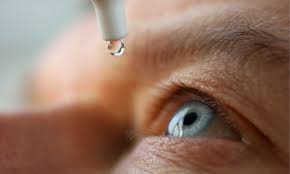
Glaucoma is often called a silent vision threat because early stages may not show obvious symptoms. If untreated, it can gradually damage the optic nerve and reduce peripheral vision.
Our clinic focuses on pressure assessment, optic nerve evaluation and risk-based follow-up plans. Patients with diabetes, hypertension, family history or age above 40 should prioritize periodic glaucoma screening.
Glaucoma management works best when treatment is consistent. We track pressure pattern, optic nerve status and visual function over time to adjust medicines or next steps early. The goal is not just temporary pressure control but durable vision protection through disciplined follow-up, timely intervention and patient education.
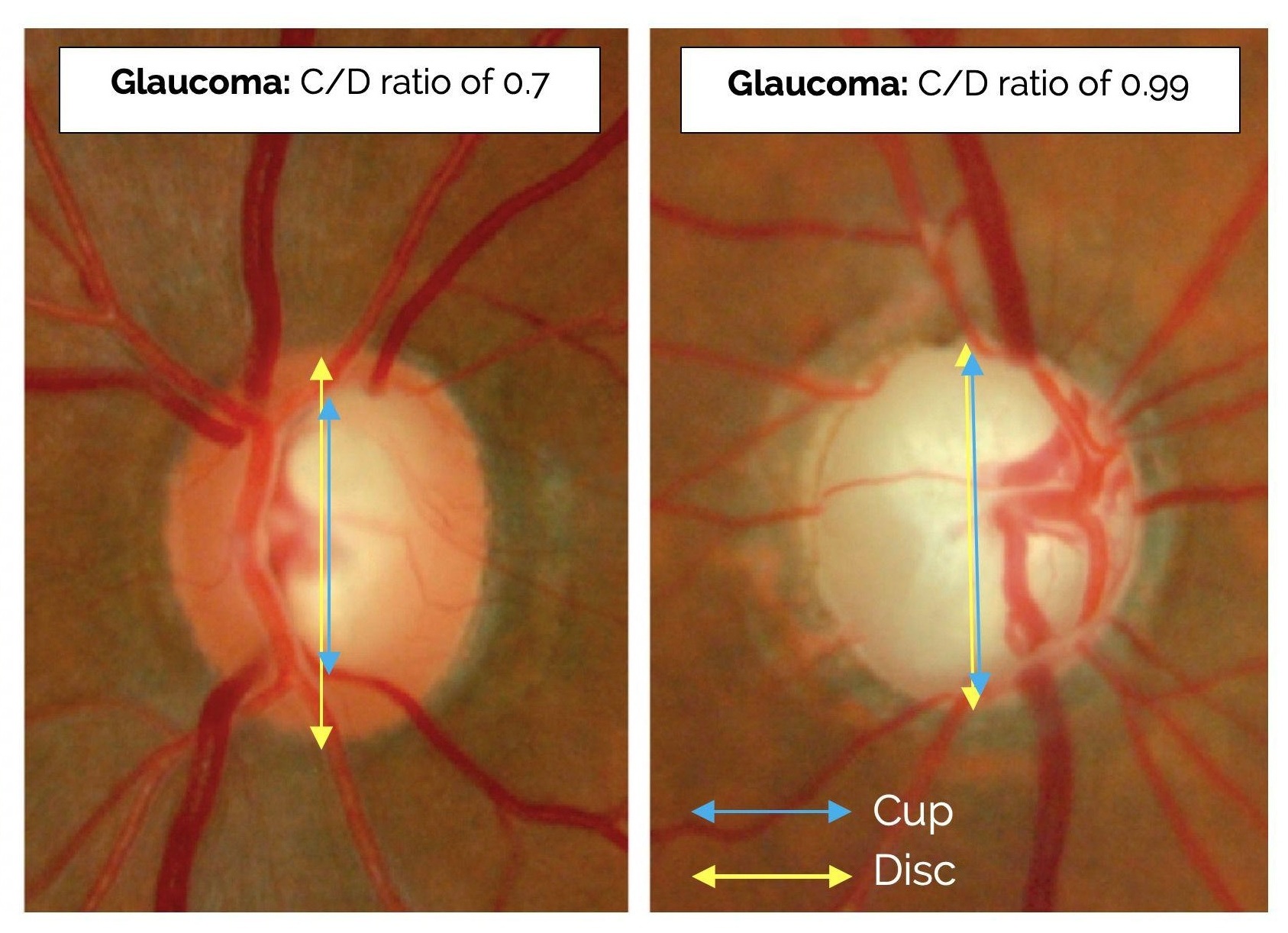
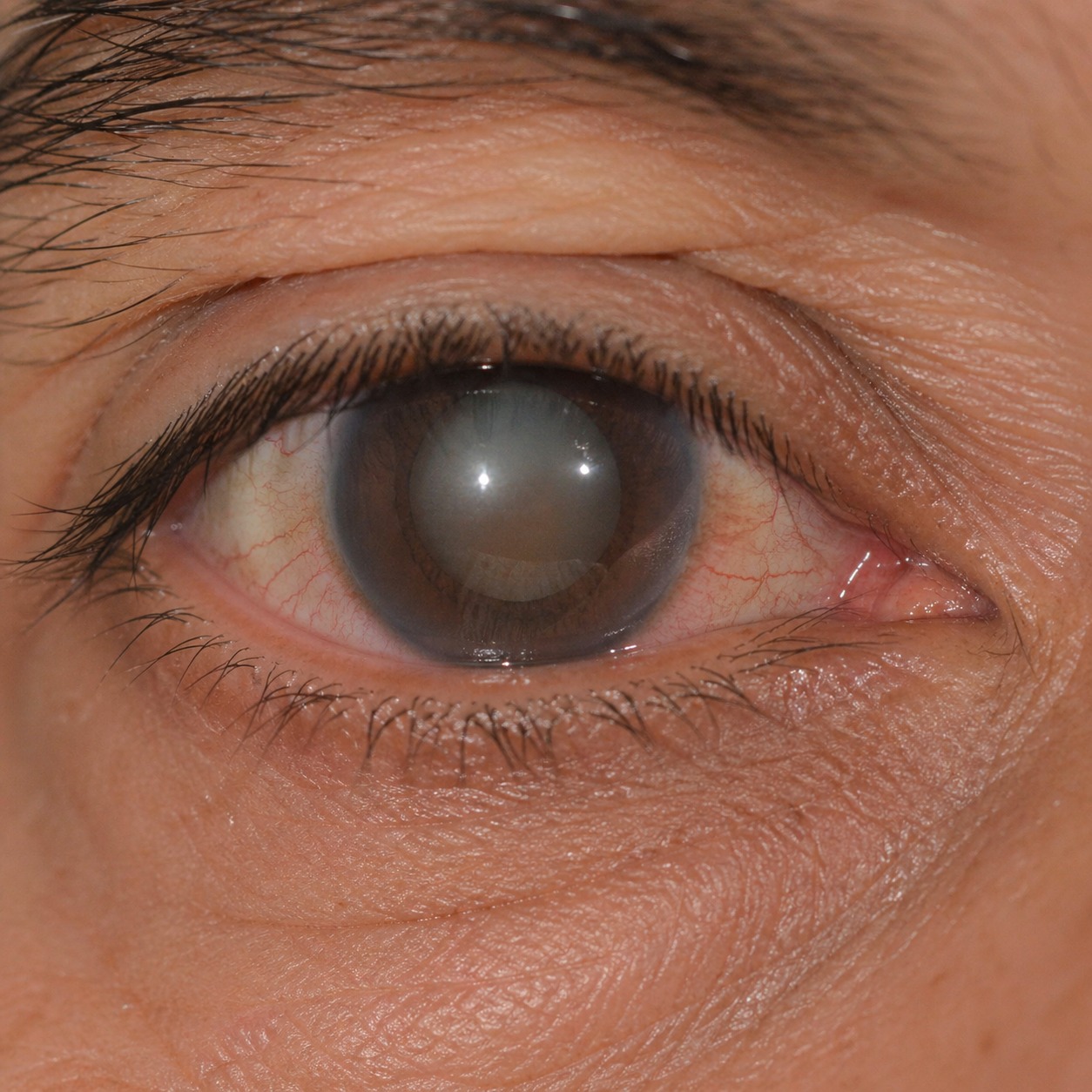
Every treatment plan combines medical precision with practical family guidance for better confidence and outcomes.
Regular screening catches glaucoma before major irreversible damage occurs.
Each patient receives a practical review schedule based on pressure risk profile.
Timely adjustments help safeguard optic nerve function for future years.
Glaucoma Emergency Guide
Glaucoma pressure spikes can damage the optic nerve quickly. Immediate assessment is critical to prevent permanent vision loss.
Book Urgent ConsultationSudden deep eye pain with headache can be an acute pressure attack.
Colored rings around lights with nausea or vomiting need emergency care.
Any rapid drop in clarity in one eye should be checked without delay.
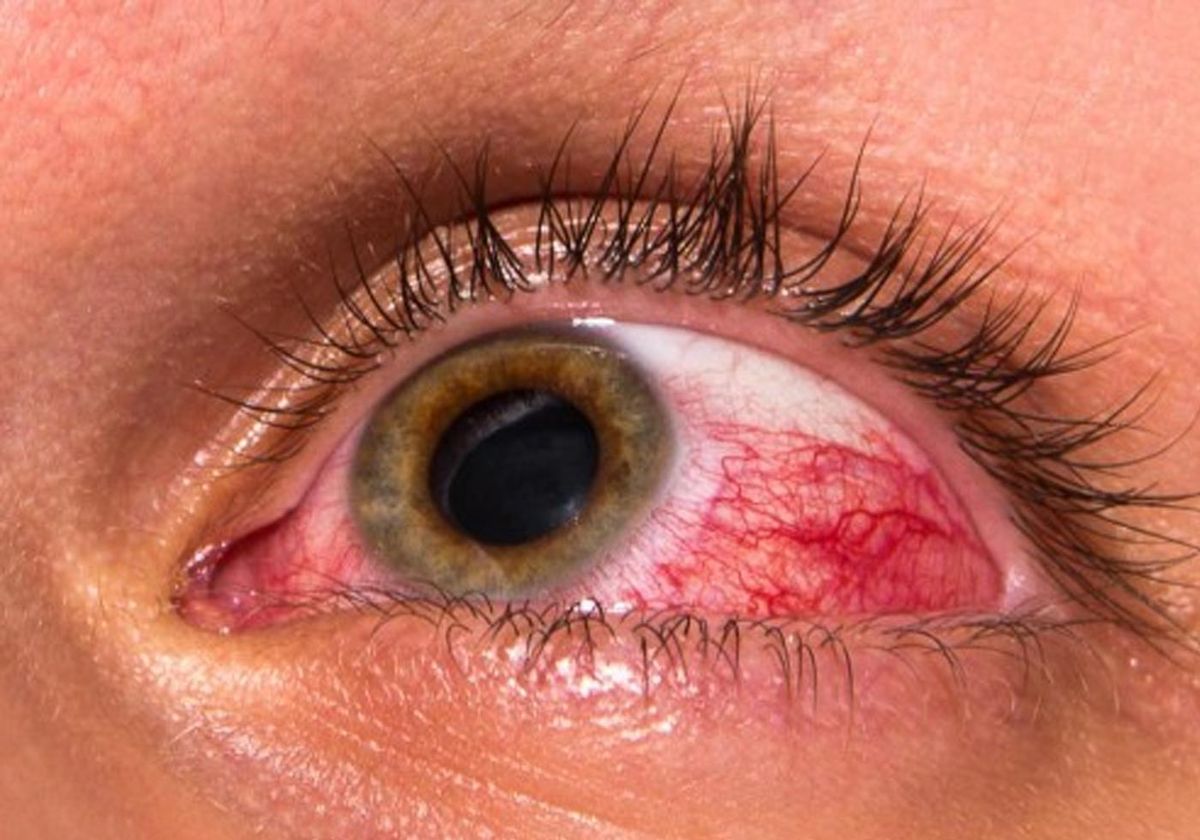
Redness with heavy pressure sensation can indicate urgent glaucoma change.
Feeling tunnel vision or side-vision loss requires immediate review.
If already on drops and symptoms flare, seek same-day specialist advice.